
What to Expect During Your Flooring Installation
Investing in new flooring is an exciting step, whether you are renovating an existing home or completing a new build. French oak flooring is chosen not only for its appearance but for its longevity and ability to elevate a space over time.
Investing in new flooring is an exciting step, whether you are renovating an existing home or completing a new build. French oak flooring is chosen not only for its appearance but for its longevity and ability to elevate a space over time.
Understanding what happens during the installation process helps set clear expectations and ensures the experience is smooth, efficient, and stress free. This guide walks you through each stage of a professional flooring installation, from preparation through to aftercare, so you know exactly what to expect on the day and beyond.
Before Installation: Preparation Is Key
A successful flooring installation starts well before the first board is laid. Proper preparation ensures accuracy, longevity, and a flawless finish.
Site assessment and measurements
Before installation is scheduled, a detailed site inspection is carried out. This allows installers to assess subfloor conditions, moisture levels, access points, and any potential challenges specific to your property. Accurate measurements are taken to minimise waste and ensure consistent board alignment.
Acclimatisation of timber flooring
Timber is a natural material that responds to its environment. French oak flooring needs time to acclimatise to the temperature and humidity of your space before installation begins. Boards are delivered in advance and stored correctly to reduce movement after installation.
Preparing the space
Homeowners are usually asked to:
- Clear furniture and personal items from the installation area
- Ensure pets are kept away during installation
- Provide clear access to the work zone
If existing flooring is being removed, this is typically organised as part of the installation process.
Subfloor Preparation: The Foundation Matters
The quality of your subfloor plays a major role in the performance of timber flooring. Even the finest French oak flooring will only perform as well as the surface beneath it.
Subfloor inspection
Installers check for:
- Level consistency
- Structural integrity
- Moisture content
Any uneven areas are corrected using levelling compounds or adjustments to ensure a flat, stable base.
Moisture protection
Where required, moisture barriers or acoustic underlays are installed. This step is particularly important in apartments or areas with fluctuating humidity, as it helps protect oak flooring from long-term movement or damage.
Installation Day: What Happens Step by Step
On installation day, the process is methodical and precise. While timelines vary depending on the size and complexity of the project, most residential installations follow a similar sequence.
Layout planning
Installers carefully plan the layout of the boards before fixing begins. This ensures:
- Consistent board spacing
- Balanced cuts at walls and thresholds
- A natural flow that complements the room’s proportions
This planning stage is especially important with wide plank French oak flooring, where visual balance makes a noticeable difference.
Installation method
The installation method depends on the product and subfloor type. Common methods include:
- Glue-down installation for stability and acoustic performance
- Floating installation for certain engineered timber flooring systems
Each approach is selected based on the flooring specification and the conditions of the space.
Precision cutting and fixing
Boards are cut and fitted with care around edges, doorways, and architectural features. Expansion gaps are incorporated to allow the timber to move naturally with seasonal changes.
Throughout the process, installers regularly check alignment and spacing to maintain a consistent finish across the entire floor.
Finishing Touches: Bringing the Floor Together
Once the main flooring is installed, attention turns to the details that complete the space.
Trims and transitions
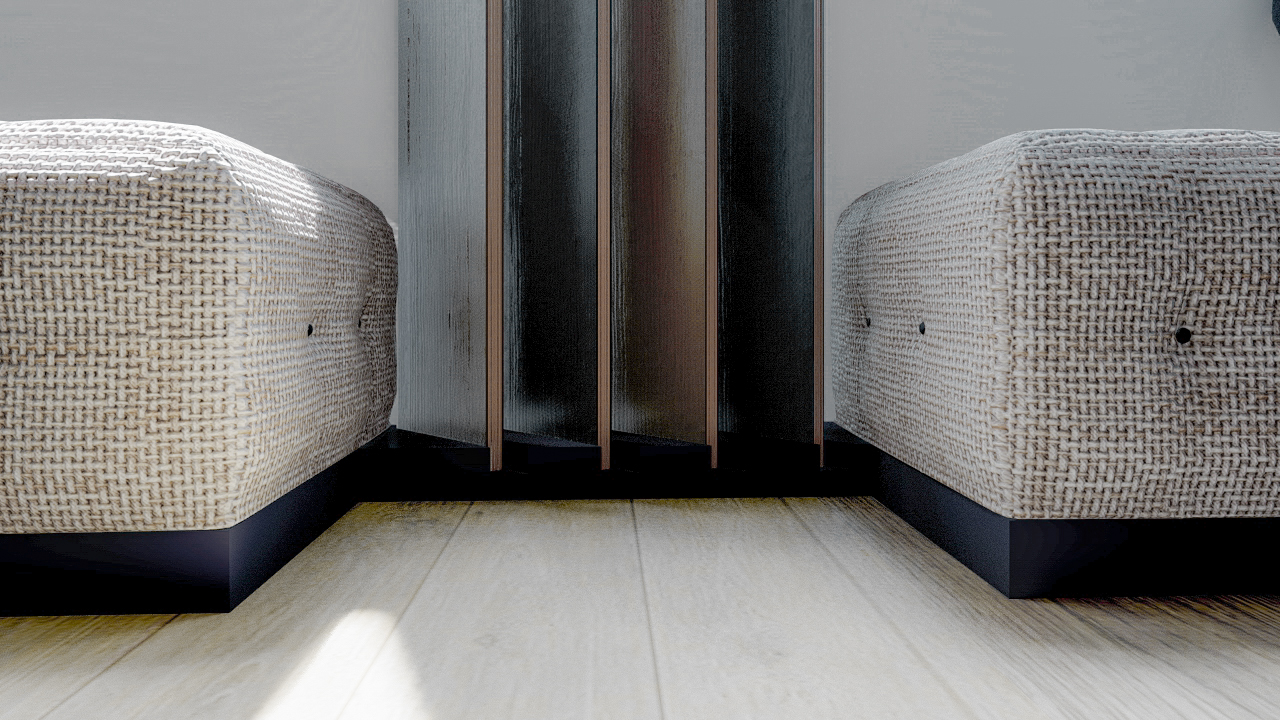
Skirtings, scotia, or edge trims are installed where required to achieve a clean and cohesive finish. Transition strips may be added between rooms or flooring types to allow for movement while maintaining visual continuity.
Final inspection
Before handover, the installation team conducts a thorough inspection to ensure:
- Boards are secure and evenly laid
- Finishes are consistent
- The floor meets quality standards
Any final adjustments are made at this stage.
After Installation: Caring for Your New Floor
Once installation is complete, there are a few important steps to follow to protect your investment.
When to use the space
In most cases, light foot traffic is permitted within a short period after installation. Heavy furniture should only be moved back once recommended curing times have passed, particularly for glue-down timber flooring.
Cleaning and maintenance guidance
You will be advised on:
- Appropriate cleaning products for oak flooring
- How often to clean and what to avoid
- Long-term maintenance tips to preserve the finish
Following these guidelines helps maintain the appearance and durability of your French oak flooring for years to come.
Common Questions Homeowners Ask
How long does installation take?
Most residential timber flooring installations take between one and three days, depending on the size of the area and complexity of the layout.
Will there be much noise or disruption?
There will be some noise from cutting and fixing, particularly during subfloor preparation. Professional installers work efficiently to minimise disruption and keep the site tidy throughout the process.
Can I stay in my home during installation?
In many cases, yes. Installers can often work in stages to allow continued access to other areas of the home.
Why Professional Installation Makes a Difference
Timber flooring is a long-term investment, and professional installation ensures it performs as intended. Experienced installers understand how oak flooring behaves in Australian conditions and how to manage factors like moisture, expansion, and subfloor variation.
A well-installed French oak floor not only looks refined on day one but continues to perform beautifully over time, enhancing both the comfort and value of your home.
Ready for Your Flooring Installation?
Knowing what to expect during your flooring installation makes the entire process more enjoyable and helps you feel confident in your decision. From preparation and subfloor work through to final inspection and aftercare, every stage plays a role in the final result.
At French Oak Floors, installation is approached with care, precision, and respect for your space. Our experienced team works closely with you to ensure your oak flooring or timber flooring is installed seamlessly and finished to the highest standard.
If you are planning a new flooring project and would like guidance on the right solution for your home or commercial space, speak with the French Oak Floors team today. We are here to help you move forward with confidence and clarity.
