
Glue-Down vs Floating Floors: Pros & Cons for Timber Flooring
Selecting timber flooring is a decision that shapes the character, comfort and longevity of your space, and the installation method plays a defining role in how your floor performs and feels.
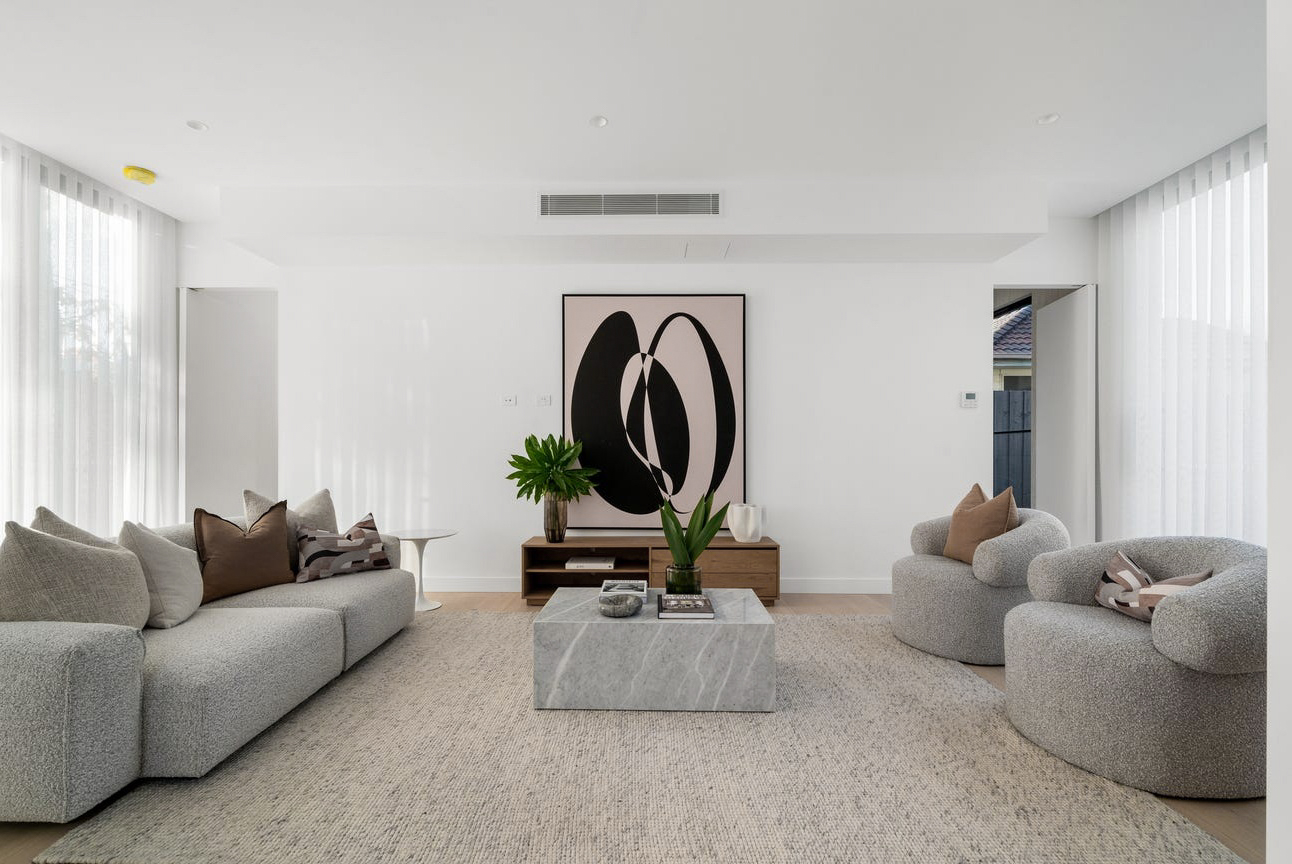
Selecting timber flooring is a decision that shapes the character, comfort and longevity of your space, and the installation method plays a defining role in how your floor performs and feels.
When choosing between glue-down and floating floors, the key difference comes down to performance. Floating floors offer speed, flexibility and easier installation, making them useful for certain renovations.
Glue-down floors, however, deliver superior stability, a more solid underfoot feel and a quieter, more refined finish.
What Is a Glue-Down (Direct-Stick) Floor?
A glue-down installation involves adhering each timber board directly to the subfloor using a high-quality flooring adhesive. This is a traditional installation method commonly used in premium builds because it delivers a solid, stable and quiet floor.
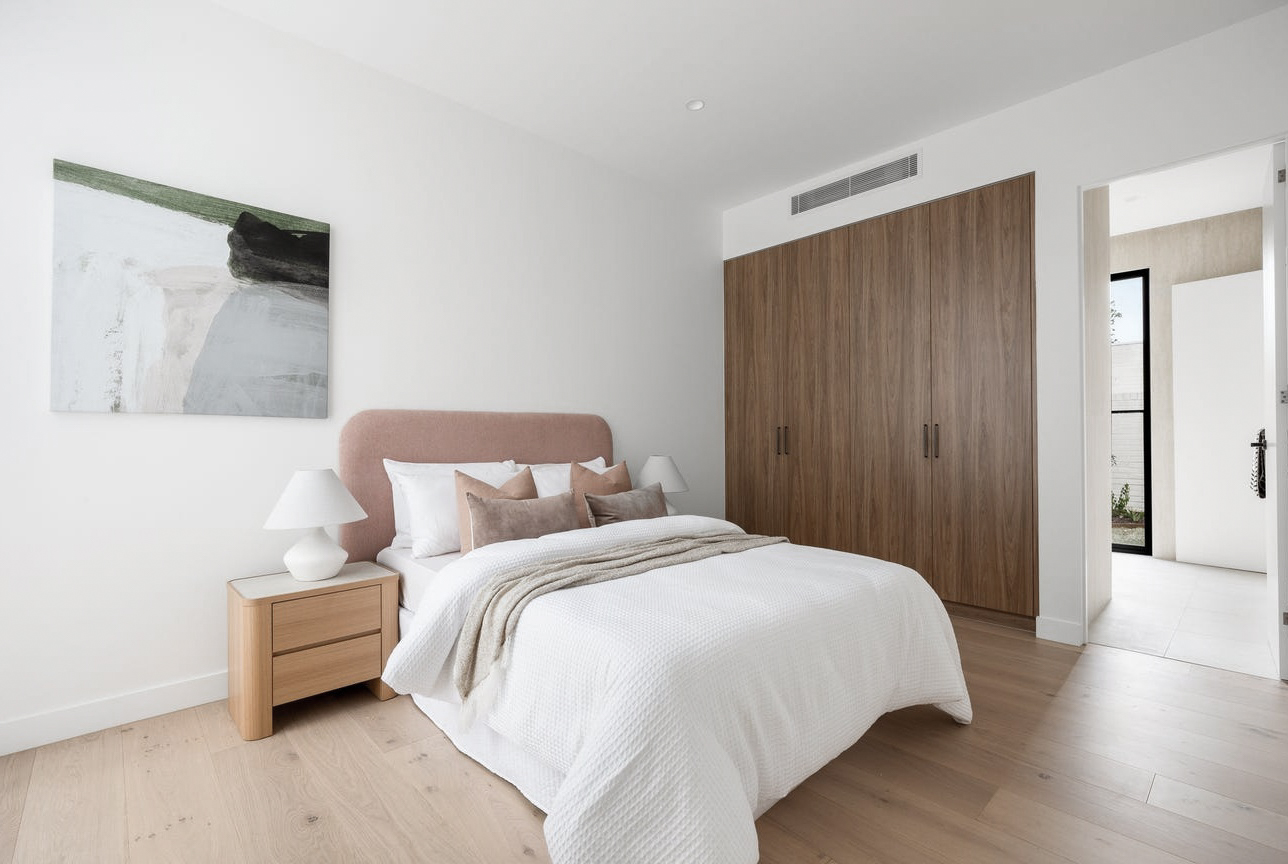
The Advantages of Glue-Down Installation
1. A Solid, Luxury Underfoot Feel
A direct-stick floor offers a sense of permanence that floating systems cannot replicate. Because the boards are fixed to the subfloor, each step feels more solid.
2. Exceptional Stability Over Time
Glue-down installation enhances the natural stability of engineered French oak timber flooring, reducing movement and maintaining smooth transitions across the entire space.
3. Quiet, Refined Acoustics
By absorbing sound rather than amplifying it, glue-down systems help minimise echo and footfall noise. With acoustic adhesives or underlay, the result is ideal for multi-storey living and open-plan homes.
4. Impeccable Visual Continuity
With reduced movement and bounce, glue-down floors maintain clean lines and a consistently level appearance, which are particularly important for large formats and long runs.
5. Built for Longevity
When installed correctly, a glue-down floor is designed to last for decades. French Oak Floors levels subfloors to within 3 mm over 3 m, ensuring a precise foundation for your engineered timber flooring.
The Limitations of Glue-Down Installation
1. Requires Experienced Installers
Because precision is critical — from subfloor prep, levelling, adhesive selection to board placement — the glue-down method is more complex than a floating install.
2. Higher Initial Investment
The adhesive layer, levelling work and skill-intensive labour mean a slightly higher upfront investment. But you’re buying performance and longevity.
3. Removal or Replacement is More Involved
If you ever decide to remove or replace the floor, glue-down systems require more effort to lift and to restore the sub-floor than floating systems.
Where Floating Floors Fit In
Floating floors lock together over an underlay rather than adhering to the subfloor. They can be a practical solution in certain scenarios, especially when time or subfloor preparation is limited.

The Advantages of Floating Floors
1. Faster and Easier Installation
Floating floors are typically faster to install and can sometimes be a DIY-friendly option (though professional installation is always ideal).
2. Flexible Over Uneven or Existing Floors
If sub-floor conditions are less than ideal or you’re working over an existing surface, floating floors provide flexibility where glue-down would require significant preparation.
3. Easier to Remove
Because the flooring isn’t permanently bonded, future removal or replacement is simpler and less disruptive.
The Disadvantages of Floating Floors
1. Slight Movement Underfoot
Because it isn’t fixed to the sub-floor, the feel can be slightly less solid than a glue-down floor. For high-end finishes like French oak timber flooring, that “floater feel” may be less desirable.
2. Increased Noise Potential
A floating system can produce more sound (especially if underlay is low quality or not correctly installed), which might diminish the premium effect you’re aiming for.
3. Less Suitable for Large Open Areas
Floating floors can experience more movement across large spans. For rooms with significant floor area, glue-down remains the stronger choice.
Why Glue-Down Installation is Ideal For Engineered French Oak Timber Flooring
The pairing of engineered French oak timber flooring with a direct-stick installation results in a floor that is:
- Visually cohesive and architecturally clean
- Structurally stable, even across wide spans
- Acoustically soft and quiet underfoot
- Resilient to seasonal movements
- Long-lasting and low maintenance
- Authentically premium in both feel and appearance
Floating floors remain a practical solution for specific renovation needs, but for those seeking an elevated outcome, glue-down installation remains the benchmark among architects, designers and homeowners.
When you select premium timber flooring, it deserves an installation method that protects and enhances its natural beauty.
At French Oak Floors, we specialise in the glue-down (direct-stick) method for our engineered French oak timber flooring. It’s not simply a preference; it's a commitment to delivering the most stable, refined and enduring result for every project.
Our installation process is seamless and stress-free, guided by skilled professionals who take genuine pride in their craft. Many can supply timber flooring, but few offer the same level of trust, reliability and long-term confidence. Contact us today to discuss your project.
