
Timber Flooring Trends for 2025: What Designers and Architects Need to Know
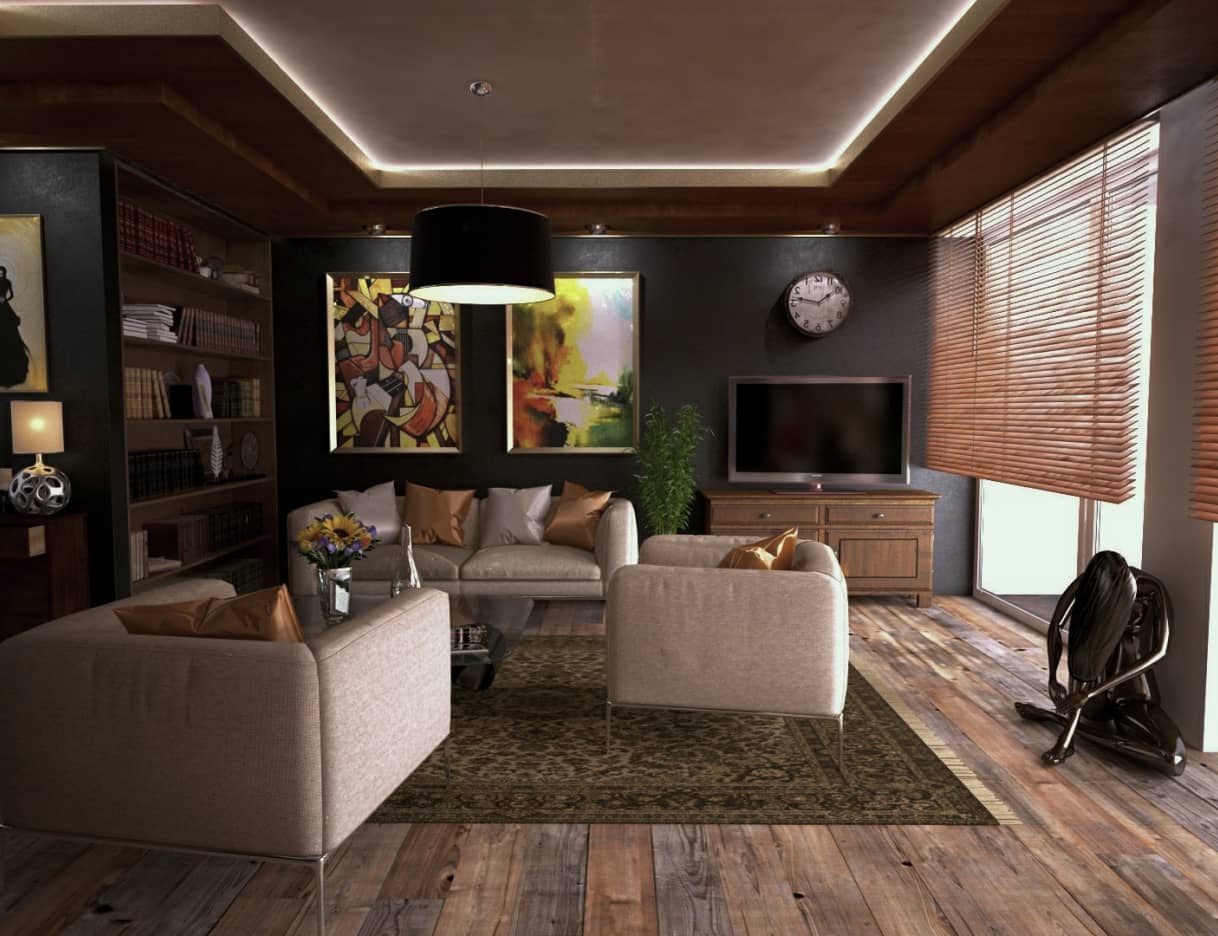
Timber flooring continues to play a central role in modern interior design, but how it’s specified and applied is evolving. In 2025, the focus is shifting towards materials that balance aesthetic clarity with long-term performance.
For designers and architects, staying ahead of these shifts is less about following trends and more about understanding how timber flooring is being used to shape contemporary spaces. The direction is clear — natural, refined and highly considered.
How Oak Flooring Is Evolving in Modern Design
Oak flooring remains a preferred choice across residential and multi-residential projects, but its application is becoming more deliberate. Rather than bold statements, the emphasis is on restraint and cohesion.
Designers are moving towards:
- Cleaner, more consistent colour palettes
- Subtle grain expression over heavy variation
- Finishes that enhance, rather than mask, the material
This shift reflects a broader move towards interiors that feel calm, balanced and enduring rather than trend driven.
Trend 1: Wider and Longer Boards
Board size continues to influence how spaces are perceived. In 2025, wider and longer boards are becoming standard in high-end projects.
This approach:
- Reduces visual breaks across the floor
- Enhances the sense of scale in open spaces
- Creates a more seamless, architectural finish
Wider boards work particularly well with French oak flooring, where the natural grain can be appreciated without appearing busy. The result is a cleaner, more contemporary look that aligns with modern design principles.
Trend 2: Natural and Neutral Colour Palettes
Colour trends are moving away from extremes and towards more balanced, natural tones. The focus is on colours that complement a range of materials and remain relevant over time.
Key directions include:
- Soft, light neutrals for minimalist interiors
- Warm mid-tones for more layered spaces
- Muted, desaturated finishes for subtle depth
- Low-contrast palettes that reduce visual noise
These tones allow oak flooring to integrate seamlessly with stone, joinery and architectural finishes without dominating the space.
Trend 3: Matte and Low-Sheen Finishes
High-gloss finishes are no longer favoured in contemporary interiors. In their place, matte and low-sheen finishes are becoming the standard.
These finishes:
- Reduce glare under natural light
- Create a more authentic timber appearance
- Align with modern, understated design
- Offer practical benefits for everyday use
For timber flooring, this shift enhances the natural qualities of the material while maintaining a refined, contemporary feel.
Trend 4: Seamless Transitions and Whole-Home Continuity
Designers are increasingly using flooring to create continuity throughout a space. Rather than changing materials between rooms, the same flooring is often carried across multiple areas.
This approach:
- Strengthens the connection between spaces
- Makes interiors feel larger and more cohesive
- Supports open-plan living
- Simplifies the overall material palette
French oak flooring is well suited to this trend due to its consistent tone and ability to work across different room types without feeling repetitive.
Trend 5: Subtle Texture and Natural Character
Texture is being used more carefully in 2025. Instead of heavily distressed or highly rustic finishes, the focus is on subtle surface detail.
This includes:
- Light brushing to enhance grain
- Soft texture that adds depth without roughness
- Natural variation that feels controlled, not exaggerated
The goal is to retain the authenticity of timber flooring while keeping the overall look refined and contemporary.
Trend 6: Integration with Architectural Elements
Flooring is increasingly being considered as part of the architectural framework, not just an interior finish. Designers are aligning flooring direction and layout with the structure of the space.
This can involve:
- Running boards in line with natural light
- Aligning with sightlines and key design features
- Using flooring to guide movement through a space
- Extending flooring into joinery or stair elements
With oak flooring, these decisions create a stronger connection between the floor and the architecture itself.
Trend 7: Performance-Led Design Decisions
While aesthetics remains important, performance is playing a larger role in material selection. Designers and architects are placing greater emphasis on how flooring performs over time.
This includes considering:
- Durability in high-traffic areas
- Stability across varying conditions
- Compatibility with underfloor heating
- Ease of maintenance
For French oak flooring, this balance between design and performance is essential. The expectation is not just a refined finish, but a flooring solution that continues to perform long after installation.
Trend 8: Simplicity in Material Palettes
Material palettes are becoming more restrained, with fewer competing finishes within a space. Flooring is often used as a unifying element rather than one of many competing features.
This results in:
- Cleaner, more resolved interiors
- Stronger emphasis on proportion and form
- Reduced visual clutter
- Greater longevity in design
Using timber flooring as a consistent base allows other materials to be introduced with more intention.
Common Pitfalls to Avoid
As trends evolve, certain missteps continue to appear in projects.
Be mindful of:
- Overly contrasting flooring that disrupts flow
- Trend-driven colours that may date quickly
- Ignoring how flooring interacts with light
- Treating flooring as a late-stage decision
Addressing these early ensures the flooring supports the overall design rather than working against it.
Designing with Longevity in Mind
The direction for 2025 is clear — timber flooring is being used to create spaces that feel calm, cohesive and enduring. Trends are less about bold statements and more about refinement and consistency.
By focusing on natural tones, considered layouts and high-quality finishes, French oak flooring can anchor modern interiors with confidence. The result is a space that not only reflects current design thinking but remains relevant well into the future.
For architects and designers, the opportunity lies in using flooring not just as a surface, but as a foundational design element that shapes how a space is experienced.
