
How to Incorporate Timber Flooring into Modern Interior Design
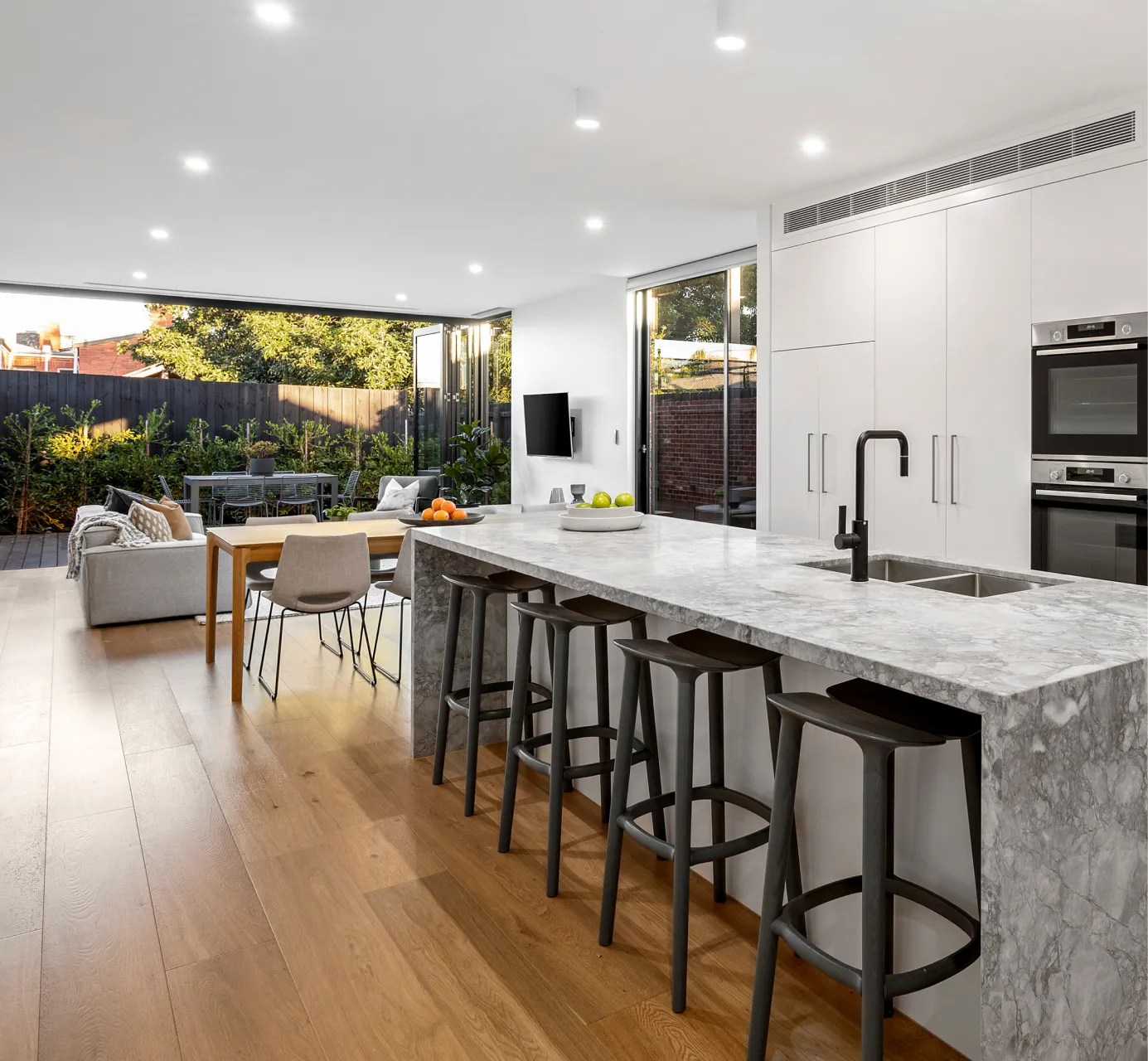
Timber flooring plays a central role in modern interior design. It’s not just a surface; it sets the tone for the entire space, influencing how materials, light and colour work together.
For homeowners, designers and builders, the goal isn’t simply choosing timber flooring but using it intentionally. When done right, it creates a cohesive, refined interior that feels considered from the ground up.
Using Oak Flooring as the Foundation of Modern Design
Modern interiors favour simplicity, clean lines and material honesty. Oak flooring fits naturally within this approach due to its versatility and understated character.
Rather than dominating a space, it works as a foundation, supporting other design elements while adding warmth and texture. The focus should be on how the floor interacts with light, scale and surrounding finishes.
To achieve this, consider:
- Board width and length: wider boards create a more contemporary feel
- Finish level: matte and low-sheen finishes align with modern aesthetics
- Colour consistency: subtle variation often works better than high contrast
- Grain visibility: natural grain adds depth without overwhelming the space
When these elements are balanced, the flooring becomes an integral part of the design language.
Creating Flow with Consistent Timber Flooring
Continuity is key in modern interiors, particularly in open-plan layouts. Using the same flooring across multiple spaces creates a seamless transition from one area to another.
This approach helps to:
- Reduce visual breaks between spaces
- Make interiors feel larger and more connected
- Make spaces feel larger and more open
- Provides a neutral base for changing furniture and styling
Using French oak flooring across multiple zones is particularly effective due to its consistent tone and refined finish. It allows designers to introduce variation through furnishings and textures without disrupting the overall look.
To achieve this level of consistency, preparation matters. Subfloor condition and installation accuracy play a major role in ensuring the boards sit correctly and maintain alignment across larger areas.
Choosing the Right Tone for Modern Spaces
Colour selection has a significant impact on how timber flooring fits within a modern interior. The goal is to complement the overall palette, not compete with it.
Common directions include:
- Light, neutral tones for Scandinavian or minimalist interiors
- Warm mid-tones for balanced, lived-in spaces
- Soft smoked finishes for depth without heaviness
- Low-contrast palettes to maintain visual calm
French oak flooring is particularly suited to these styles due to its ability to carry subtle tonal variation without appearing inconsistent. This makes it easier to pair with contemporary materials like stone, concrete and steel.
Pairing Timber Flooring with Modern Materials
Modern interiors prioritise simplicity, clean lines and natural materials. Oak flooring aligns naturally with this approach due to its versatility and understated character.
Successful combinations include:
- Timber + stone for kitchens and living areas
- Timber + concrete for an industrial-modern feel
- Timber + glass to enhance light and openness
- Timber + metal accents for a refined, architectural edge
The goal is to create contrast without conflict. Timber should soften the overall look while allowing other materials to stand out.
Using Timber Flooring to Define Spaces
In open-plan designs, flooring can help define different zones without the need for physical barriers.
This can be achieved by:
- Changing board direction between areas
- Using transitions to subtly separate spaces
- Pairing flooring with rugs to anchor furniture zones
- Adjusting layout to guide movement through the space
With oak flooring, these techniques remain subtle, maintaining a clean and modern aesthetic while still providing functional separation.
Selecting the Right Finish and Texture
Finish plays a major role in how timber flooring looks and performs. In modern interiors, matte and low-sheen finishes are generally preferred.
Benefits of matte finishes include:
- Reduced glare under natural light
- A more authentic timber appearance
- Better integration with modern colour palettes
- Improved practicality for everyday living
Texture can also enhance the overall look. Light brushing or subtle grain detailing adds depth without making the floor feel overly rustic.
Considering Lighting and Spatial Impact
Lighting significantly affects how flooring is perceived. Natural and artificial light can change how colour and texture appear throughout the day.
To get the most out of timber flooring:
- Consider how natural light moves through the space
- Test samples in different lighting conditions
- Align flooring tone with the overall lighting design
- Avoid overly dark finishes in low-light environments
Well-considered lighting enhances the natural qualities of the timber rather than masking them.
Avoiding Common Design Mistakes
Even high-quality flooring can feel out of place if not integrated properly into the design.
Common issues include:
- Choosing a colour that clashes with cabinetry or walls
- Overusing contrast, creating visual fragmentation
- Ignoring how flooring interacts with natural light
- Selecting finishes that don’t align with the design style
Addressing these factors early leads to a more cohesive and resolved design.
Balancing Aesthetics with Practical Performance
While design is important, flooring must also perform in everyday conditions. This is particularly relevant in high-traffic areas such as kitchens and living spaces.
Consider:
- Durability of the finish
- Ease of maintenance
- Suitability for the intended use of each space
- Compatibility with heating or cooling systems
For long-term performance, these practical factors should sit alongside design decisions—not after them.
Bringing It All Together
Incorporating timber into modern interiors is less about making a statement and more about creating balance. The floor should support the overall design, connecting elements rather than competing with them.
By selecting the right tone, finish and layout — and aligning those choices with lighting and materials — French oak flooring can anchor a space with quiet confidence.
When approached thoughtfully, timber flooring becomes more than a surface. It becomes the foundation that allows the rest of the design to work.
